

I think design gets really interesting when the creator's personality shines through.
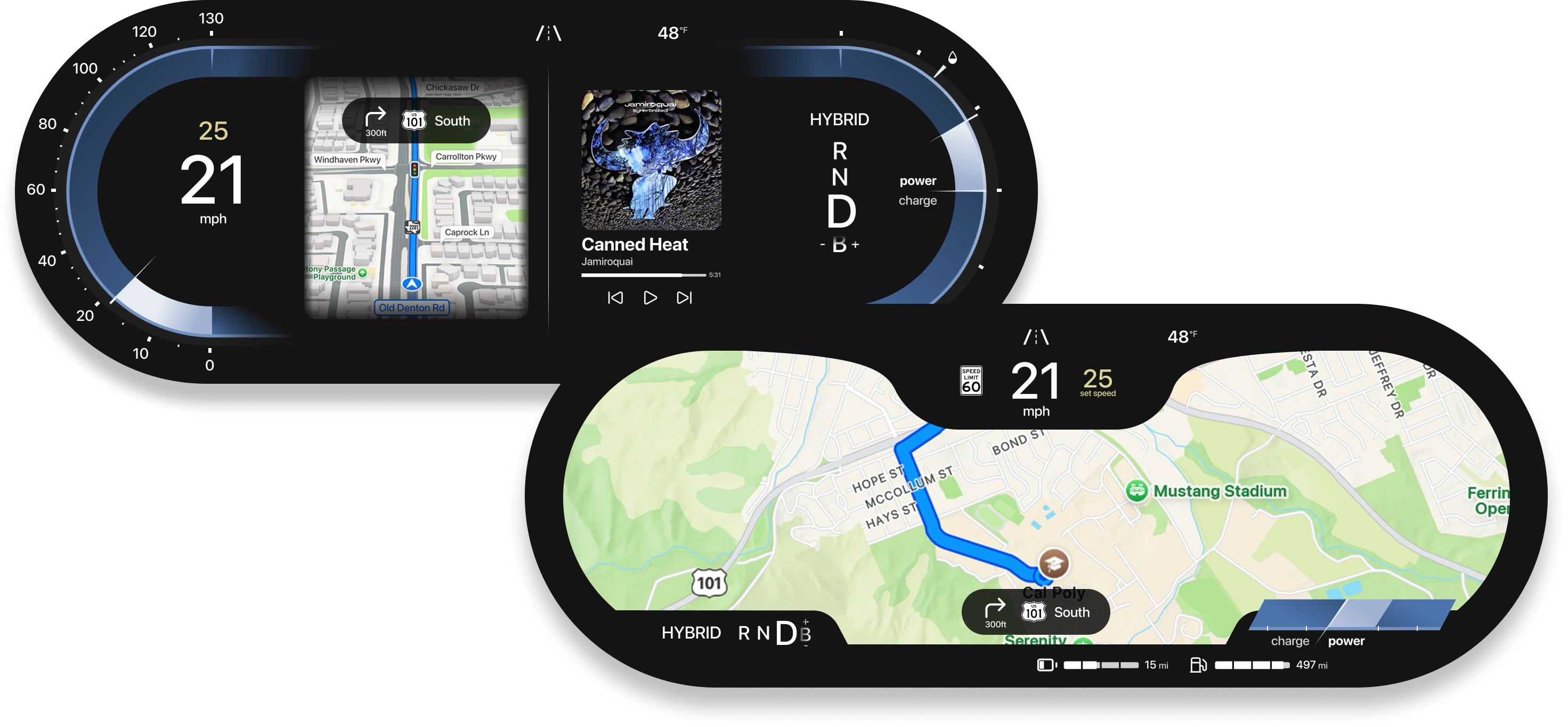
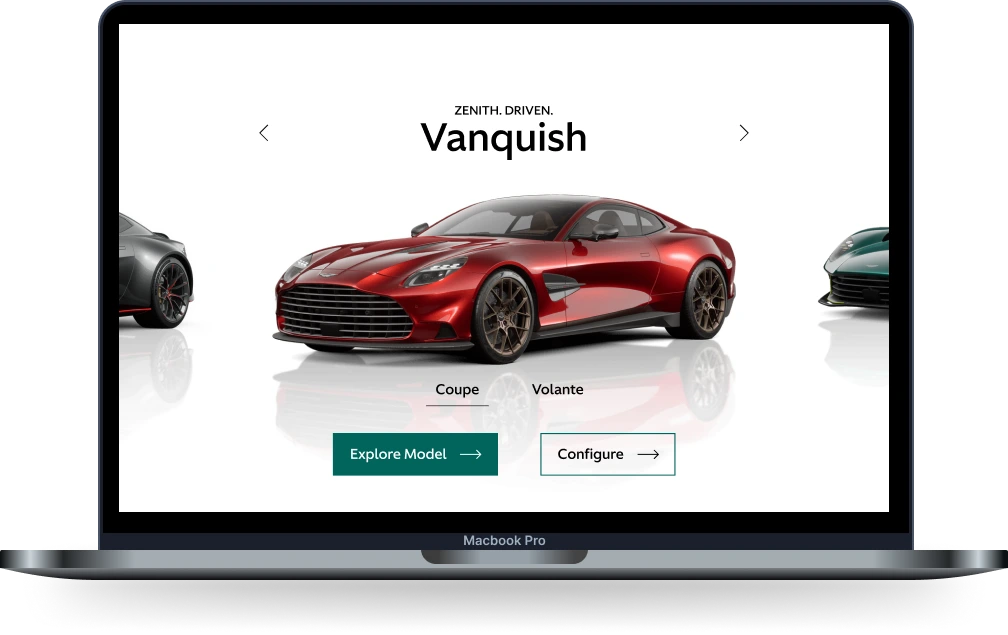
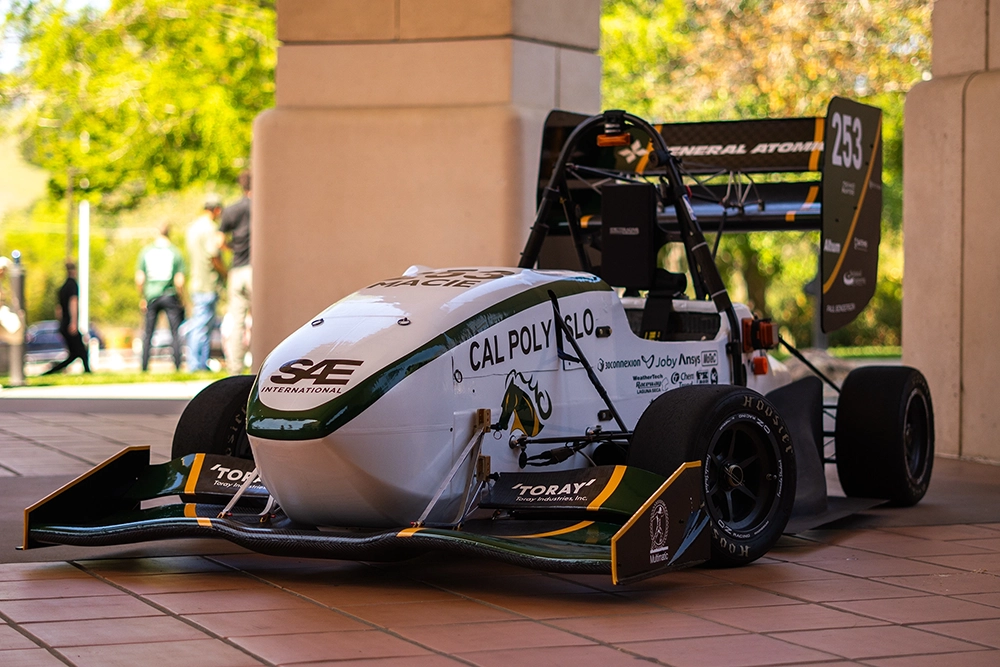
My journey into UX started with my love for cars, of all things. I've always viewed them as an extremely underrated medium for art – one that combines visual aesthetics with a specifically tuned user experience.
After completing two years at my local community college, where I experimented with front end development, sculpting, and industrial design, I discovered Cal Poly's Graphic Communication program.
For two years after that, I tackled a steady 16+ units while maintaining President's honor roll and staying heavily involved with several student orgs.
Now I'm working in a full time position at Yardi, where I'm dedicating the same effort I've been putting in non-stop for the past 4 years.
My old Nissan I like to work on
Loading...
Some of my favorite songs






With the rapid proliferation of LLMs, it's easy to feel like you're missing out if you're not implementing AI into your platform. As a designer, it's my job to know exactly when and where AI tools are effective. This means constantly learning how to use new technology and taking note of which new AI features are actually helpful. I'm of the opinion that the "move fast and break things" motto is no longer the best course of action. Instead, careful consideration must be taken when restructuring your platform or workflow to make room for new AI technology. Users can tell the difference between a rushed AI add-on vs. a thoughtful, seemless integration.
Starting my design journey on a computer science track gave me a special appreciation for how designs actually translate into a product. There are some important considerations I find a lot of beginner designers forget to take in this regard. How will this feature be maintained? Will its implementation bottleneck the development of any other features? Will the feature have to change due to practical limitations? These kind of questions should be asked by designers who want to be more involved in the development process. As someone who has experience with a broad set of design mediums, I'm passionate about bringing designers and developers together in a more hybrid workflow.
User Experience, as a concept, has the unique quality of being so broad that it can be applied to nearly any product or service. So, the question of "what are you doing after college?" can be a bit daunting. Luckily, I have many other design-related interests that I'd love to explore in tandem with UX. I'm incredibly interested in automotive design, as there's just so much room for innovation when thinking about car interiors. As the world goes electric, what differentiates the user experience when the powertrain is no longer a variable? I'm also interested in game design for its unique medium for education and rhetoric. In terms of career structure, I'd love to find a long-term environment that allows me to continue to learn and broaden my design skills.